
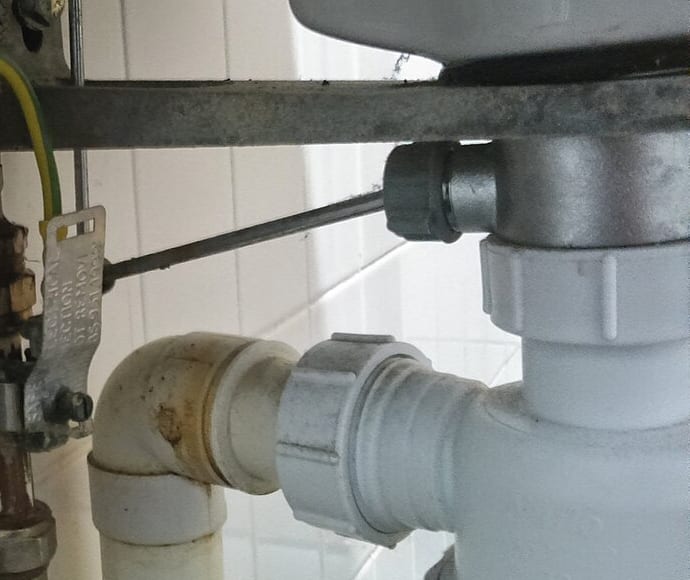
Record the pattern
Write down which fixtures slow or back up, what use triggers it and how often it returns after clearing. Tell the professional about prior work and chemicals used. Several affected fixtures may guide investigation, but symptom patterns do not establish the exact failure remotely.
Ask what the inspection can show
A camera or other assessment has a purpose and limitations. Ask what is visible, where the finding is located and how it explains the symptoms. Obtain a clear account of uncertainty before agreeing to extensive work. An image without context is not a complete repair plan. Preserve that context across visits with the recurring-drain symptom and evidence timeline.
Compare remedies and access
Ask why the proposed method fits the pipe condition and whether alternatives are appropriate. Confirm access, utility coordination, testing and restoration. Some options cannot be evaluated until conditions are known. A repeated temporary clearing and a permanent repair are different scopes. If wipes are part of the household routine, compare the wipe-disposal and maintenance-promise questions before treating repeat clearing as a prevention plan.
Handle contamination cautiously
Limit use of fixtures that worsen the backup and keep people and pets away from affected water. Do not mix drain products. Explain any chemicals to the professional before work. Ask separately about safe cleanup of affected materials; clearing the drain does not automatically complete that work.
Keep the responsibility boundary clear
For shared lines, managed properties or suspected public infrastructure, identify who can authorize work and who owns the relevant section. Confirm responsibility with the appropriate party before approving excavation or replacement. Preserve the inspection findings and written proposal for that conversation.
Use a recurrence log, not a guessed cause
- Pattern → dates and fixtures
- Investigation → findings
- Remedy → verification
Worked example — hypothetical
Suppose a shower backs up each time a nearby washer drains. Record that timing and whether other fixtures are affected. Ask how the inspection distinguishes a fixture blockage from a shared downstream issue rather than accepting another clearing without findings.
A record you can copy into your notes
| Date / event | Affected fixtures | Finding or next question |
|---|---|---|
| First occurrence | One / several / unknown | What changed before the symptom? |
| After clearing | Returned / resolved / uncertain | What was removed or inspected? |
| Next proposal | Same pattern or new issue | What evidence supports the remedy? |
Your call-preparation checklist
Use this list privately to organize your questions. This website does not collect your entries.
Public and private sewer questions
City of Reno sewer guidance distinguishes public mains and private laterals. Your actual address and inspection determine the responsible segment.