
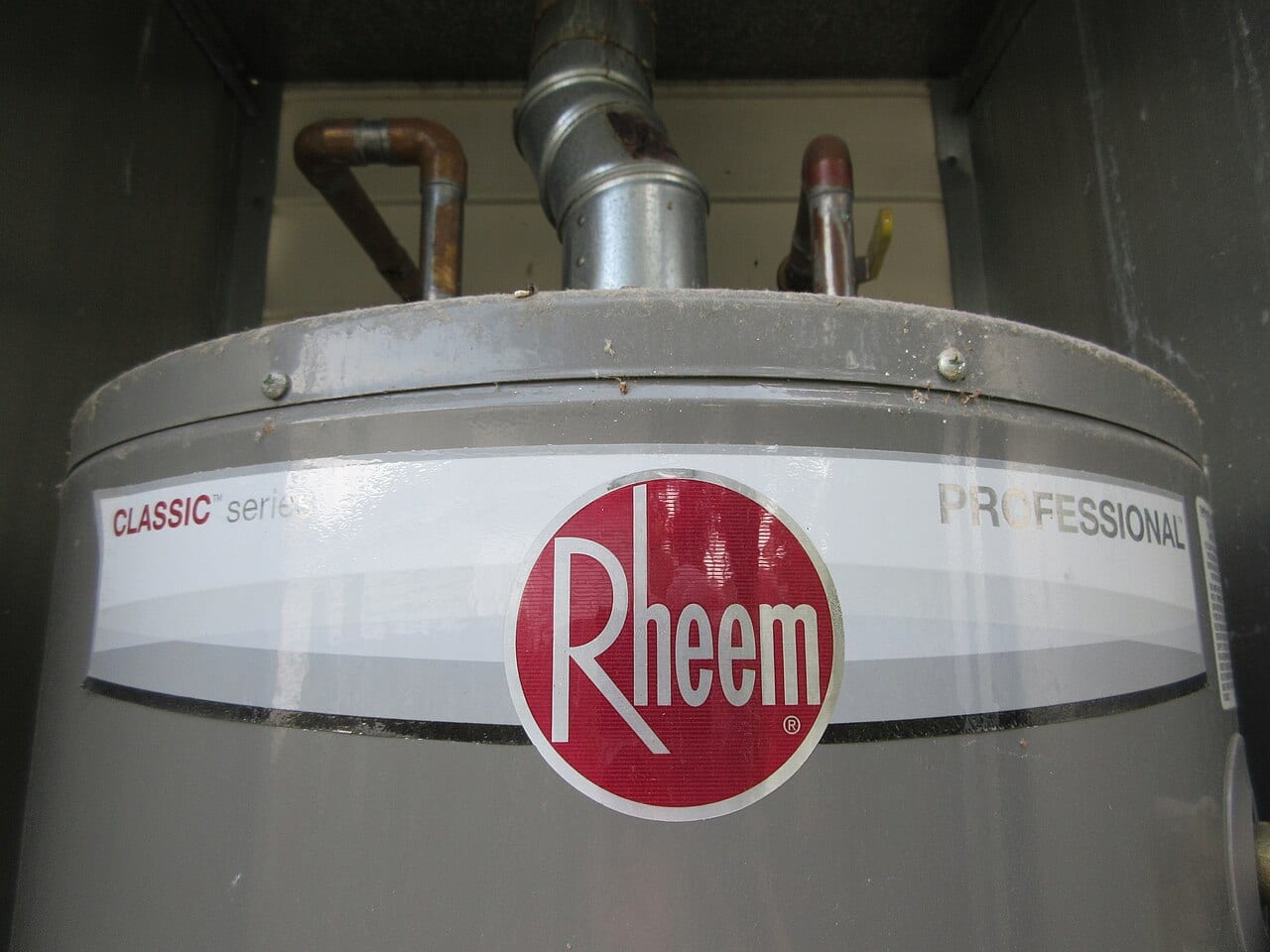
Establish why replacement is proposed
Ask which finding supports replacement, whether a repair is available and what limitations apply. Provide the symptom, approximate age if known and a model photo. Equipment age alone is not a full diagnosis. Do not remove covers or investigate gas or electrical connections yourself.
Match equipment to actual needs
Describe household use and the current installation. Ask about capacity, recovery, fuel type and space constraints. A different technology can require related work. Do not assume a tankless option or larger unit is compatible with existing connections and venting.
Compare the installation line items
Ask about removal, disposal, safe connections, testing, applicable permits and any related trade work. Identify who handles venting, electrical supply or finish repairs when needed. A replacement price without these boundaries can make two proposals appear more comparable than they are.
Understand warranty and maintenance
Ask which warranty comes from the equipment manufacturer and which applies to installation labor. Get maintenance expectations, registration requirements and the contact for concerns in writing. No site-wide guarantee replaces the terms for the actual equipment and business.
Keep an installation record
Retain the model, invoice, written scope, approvals and instructions after completion. Ask the contractor to explain controls and normal operation without encouraging you to service unsafe components. Confirm which future checks need a professional and how to arrange them.
Your call-preparation checklist
Use this list privately to organize your questions. This website does not collect your entries.
Continue with the relevant service
Official resources
- TMWA winter preparation ↗
- TMWA contacts and water-service questions ↗
- Nevada contractor license search ↗
- Nevada homeowner contracting guidance ↗
Resources provide general preparation and official contacts. They do not establish provider coverage or endorsement.